

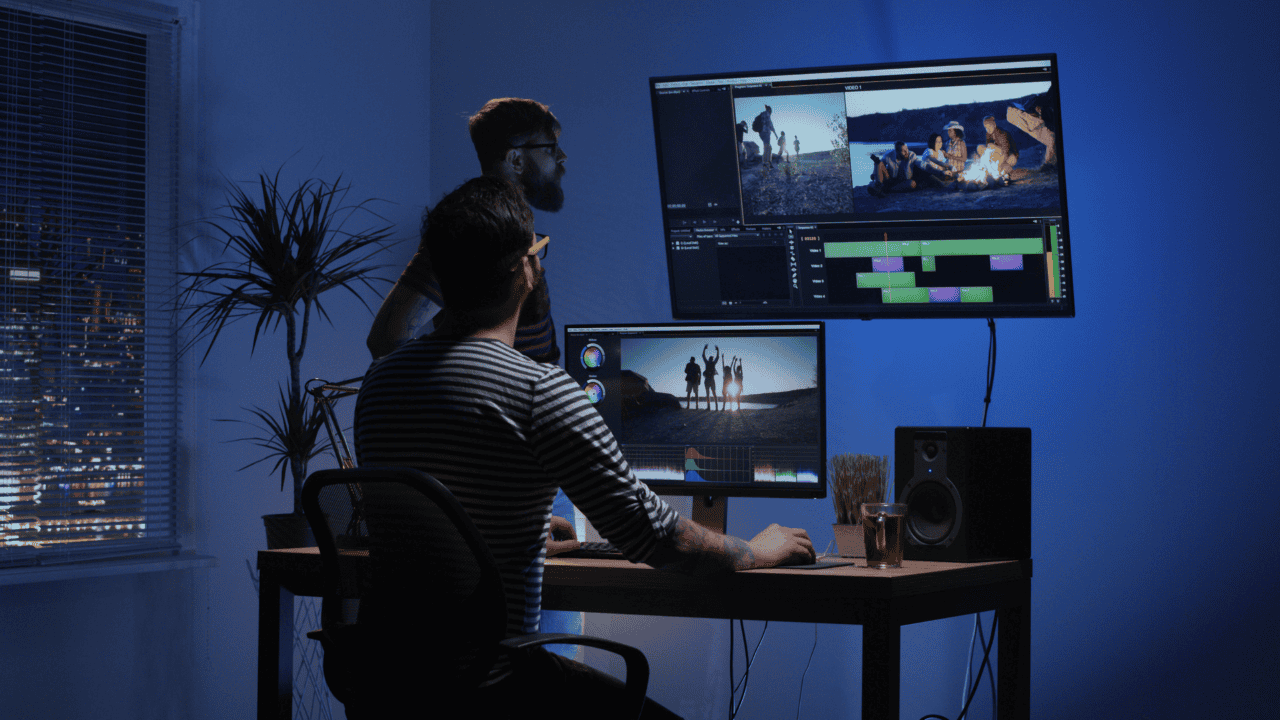
Key Takeaways: Video rendering is the process of converting raw footage into a finished video. Key factors affecting quality include resolution, codec, bitrate, and frame rate. Consider resolution (1920x1080p for HD), codec (H.264 for balance), bitrate (higher for better quality,[...]
Blog

From 4K to Export: The Complete Workflow for Stunning Videos
Key Takeaways: Capture footage in 4K for unmatched clarity and detail. Use a camera that supports 4K resolution and adjust settings to record in 4K. Ensure proper lighting and framing for optimal results. Edit and enhance your footage using professional[...]

Text Overlays and Animation to Improve Video Storytelling
Key Takeaways: Highlight key points with text overlays to boost audience understanding and retention. Cater to viewers with hearing issues and ensure everyone grasps complex information, especially in educational videos. Capture attention and simplify complex ideas using animation. It's a[...]
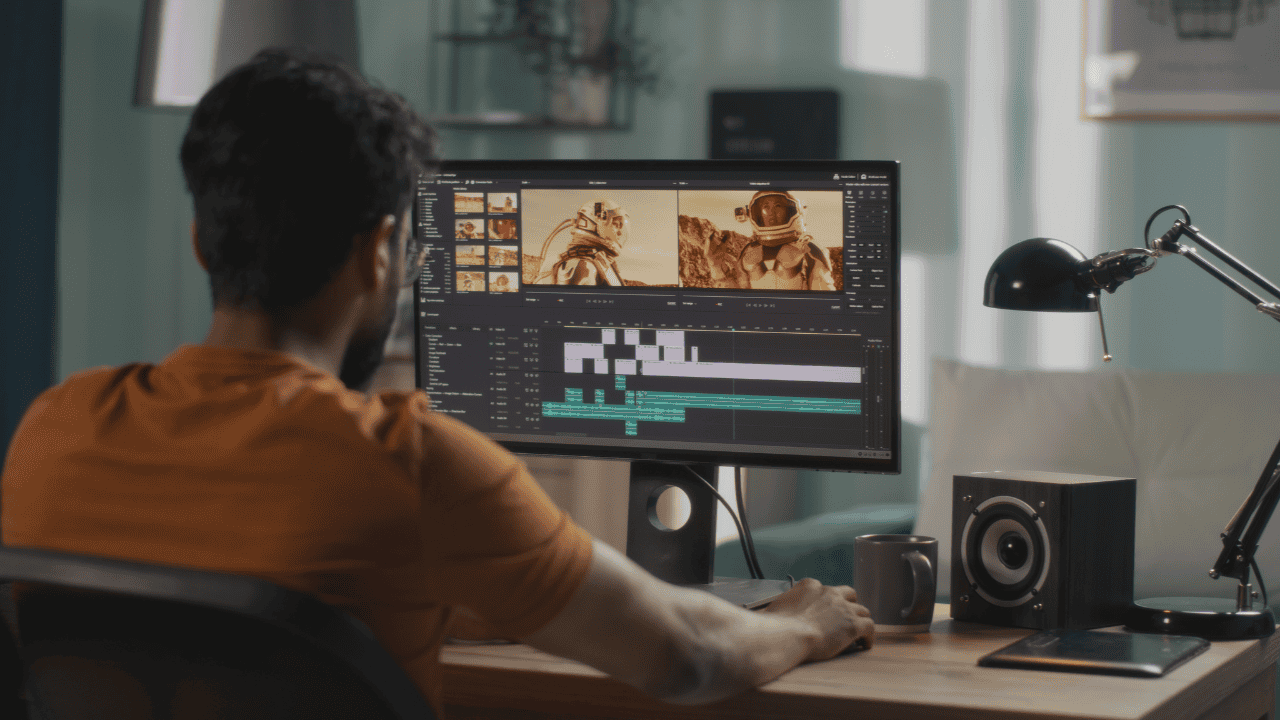
How to Use Quick and Easy Techniques to Add Basic Effects to Your Videos
Key Takeaways: Use video editing software like Premiere Pro or DaVinci Resolve to add transitions, animations, and other visual effects to enhance your videos. Create intros, transitions, and dynamic text with graphic design elements to make your video more visually[...]

Step-by-Step Color Grading Tutorial: From Raw Footage to Cinematic Masterpiece
Key Takeaways: Understand the difference between color correction (fixing issues) and color grading (creative style). Prepare footage by importing, organizing, and adjusting exposure/white balance. Adjust brightness/contrast and fix color balance using curves or levels and RGB channels. Make selective color[...]
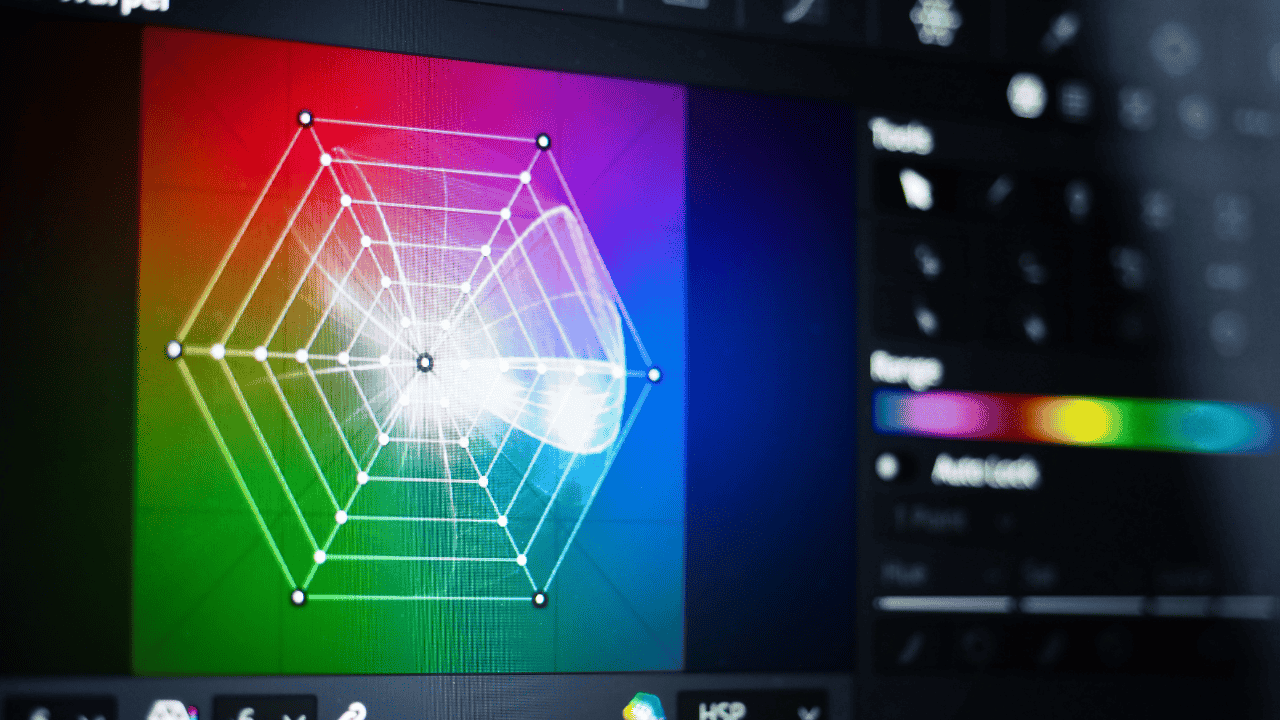
The Importance of Color Grading: Why Every Video Needs It
Key Takeaways: Color grading enhances videos by correcting color imbalances, setting mood (emotions), and creating consistency. Every video benefits from color grading. Popular color grading software includes Adobe Premiere Pro, DaVinci Resolve, Final Cut Pro X, and Lumetri Color Panel.[...]

How to Light Interviews: Creating a Professional Look for Your Subjects
Key Takeaways Proper lighting is essential for professional-looking interviews. Three-point lighting is the foundation for balanced and flattering lighting. Reflectors are useful tools for reducing shadows and enhancing light balance. Light direction and angles significantly impact the visual quality of[...]
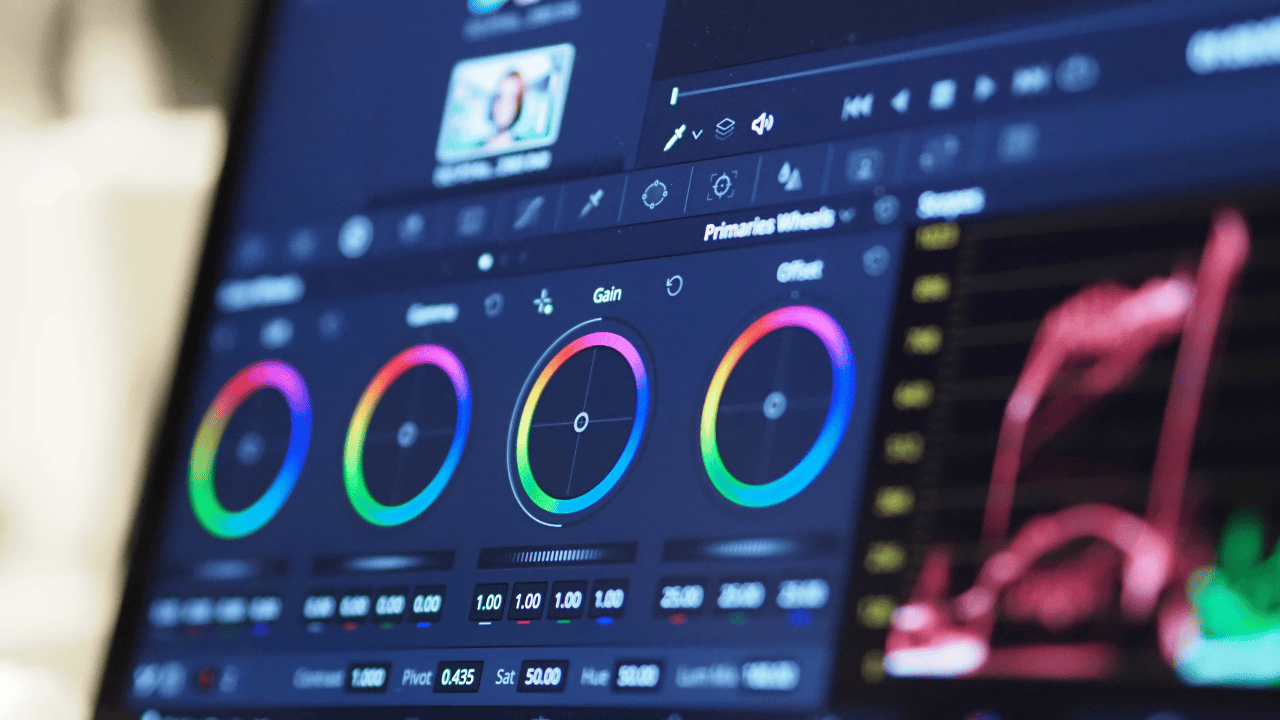
Video Mood Colors: Setting the Perfect Tone with Color Grading
Key Takeaways: Color grading sets the tone and mood (emotional impact) of your video. It uses color adjustments to create a desired look that aligns with your message. Picking the right color palette influences how viewers perceive your content. Warm[...]
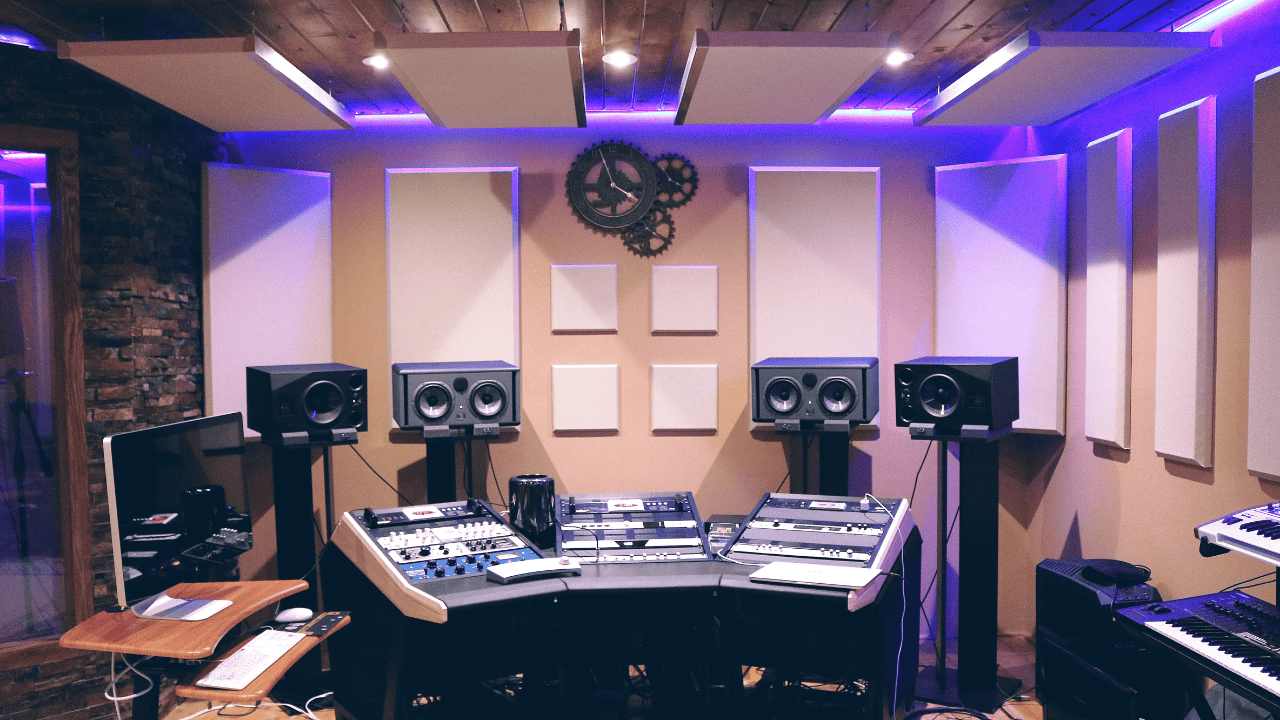
Simple Ways to Enhance Studio Acoustics
Key Takeaways: Good studio acoustics are crucial for clear and professional audio in video productions. Poor acoustics lead to distracting background noise and unclear dialogue. Improve acoustics by using acoustic panels & bass traps, soundproofing materials (foam, curtains), and strategically[...]
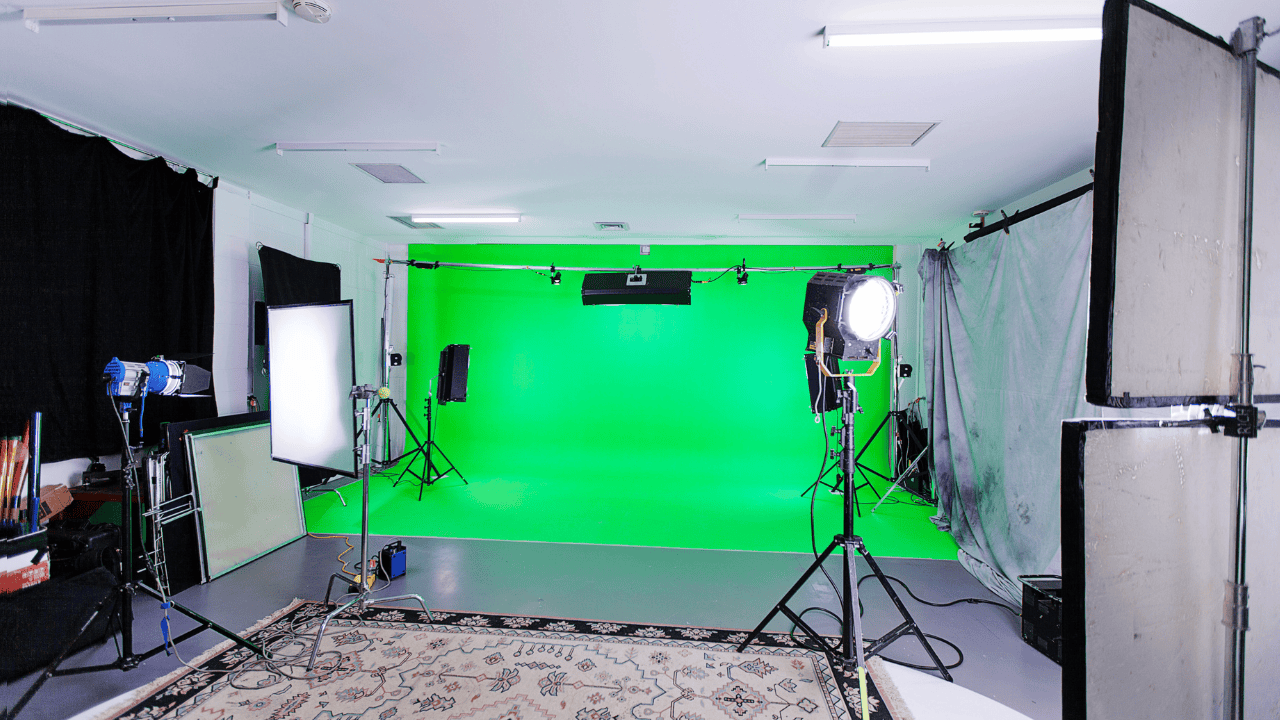
Understanding Green Screens: How They Work and Why They’re Used
Key Takeaways: A green screen is a backdrop replaced with video/images in post-production using chroma keying (removing green). Green screens offer versatility (creative backgrounds), cost-effectiveness (no location shoots), and consistency (controlled environment). High-quality green screen material, lighting equipment, camera &[...]
